Poems

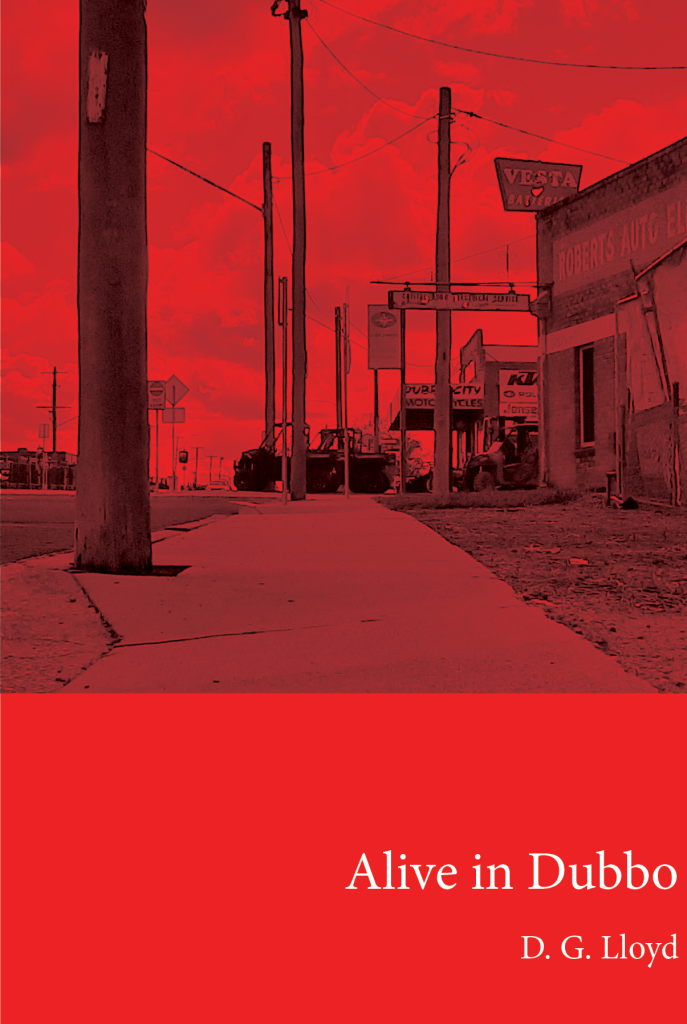
Alive in Dubbo

‘Devil’s Hole’ by D.G. Lloyd

Boys getting stoned and jumping off the cliff
into the deepest part of the river;
no one knows for sure how deep.
See you in Cobar! we shouted, as we drifted away 
downstream.x

Flocks of cockatoos screeched as they flew over the 
slopes,
the dirt road and metal posts,
fallen logs and blue-green algae,
dead ryegrass undulating.

I nearly drowned fighting the current as I tried to 
cross back,
tussled in the willows, vines and throwing up.
Blistered and scarred for seven days.

Devil means Bunyip and Evil Spirit Dreaming.
The elders frightened the children with ghost stories
to save them from drowning near the bend in the 
river.
It’s a strange bed up north, said Gazza.

Jason and Craig saw a kingfisher on the fence,
You can tell them by their pointed beaks.
I spotted a pelican on the water’s surface,
It must be lost.

‘Devil’s Hole’ by D.G. Lloyd Read More »

Dimitra Harvey’s ‘Cicadas’

Spring unrolled skies like runners of pink muslin, breezes
steeped in honeycomb. Set out flowers in pastry
blues and glacé reds; summer simmered at the season’s
edge, began to smoke. That’s when I found their shells
everywhere — like pods of blown sugar, trimmed
to the trunks of bloodwoods, blue gums.
*

Yolk light streaked tower windows. Down Dixon Street,
the grills hissed, spitting oil. Plane trees offered their leaves
to the pavement in helpings of ginger and oxblood. I watched
strangers champ down fists of minced squid, or tighten
the nooses of their scarves, as lanterns swung
like pomelos from the eaves of tea rooms, and the dusk
slung up its meathook moon. This was Chinatown
on a Friday night — the markets packed. The scent of burning sugar
lured me from my mother to a stall where toffee
oozed in an iron pot. A woman was rolling
a knot of it to a worm. She jutted one end in her mouth
and blew; and as the sugar ballooned, she began
pinching and pulling it, shaping wings, a square
jaw, a long torso coiling round itself — all the while
filling it with her breath as if creation were a kind of
mouth to mouth — then she took the end from her lips
and tweaked it shut. Deft as a doctor’s
stitch she embedded a skewer, tilted the dragon
towards light so it shimmered, copper-bronze.
I watched as she made a horse, a rat — my tongue watering,
even though I knew they were not for eating.
*

Now rummaging at weeds on my knees
in the veggie beds, my fingers scrape the crisp
toffee abdomens of cicada shells. I press aside
drooping leaves of eggplants — the fat fruits,
black as hearses, nodding, glinting offhandedly.
I pull oxalis, dandelion from their roots. Throw
the first in a pile for the worms, heap
the latter by my knee for later:
*

Stir eggs and dill, diced shallots, grated feta and kefalograviera
until combined. Add a dash of olive oil, salt. Fold-in diced
chard and the wild greens you pulled from the hedgerow, the side
of the road — like the peasant grandmother who lived through famine
and three wars, raised twenty children, and knew that everywhere
the earth makes offerings of nourishment. Line your cooking tin
with pastry thin and pale as a cotton shroud. Anoint with olive oil. Now
spoon the mixture evenly across your tray and cover with more pastry.
Puncture the top with a fork or skewer — so steam — like the soul
through the mouth at death — can escape. Cook till golden.
*

For weeks, the air throbbed with their love songs, their
jackhammer dirges, as they bred and died, became banquet
for lizard and bird. I’ve imagined that moment of revelation:
seventeen years tucked in the dirt, sucking root sap, then —
the sudden insistent urge to burrow up and out… Exposed
to light and the swiftness of air for the first time, the old self
ruptures, peeling back — wings unfurl, silent
gossamer. Sometimes I find one, the shell
not entirely sloughed, the crisp, veined wings only
partly unfolded. My eyes track the conveyor belts
of ants: they till the corpse, ferry
morsels to the nest.
*

I ready the ground for sowing. Swing the mattock round again,
tear up another sod. A butcherbird probes the edges of opened
earth and plucks up worms purple-red as sopressa. Skinks
tongue crickets by the irrigation runnels. A kookaburra drops
from the shed then wings north — a marsh snake thrashing
in its beak. Above rotted orange peels, celery tufts, the skins
of pumpkins heaped on the compost — fruit flies hover like tossed
confetti. Westering now, the sun spills her brandy down
the hills; mosquitoes bore for my veins’ hard liquor.
Dimitra Harvey’s ‘Cicadas’ Read More »

Magdalena Ball’s ‘Transmission’

If you were looking for a sign or excuse
to stay where you are

that particular
ray of light, a twitch at the small
of your back, the downward slant
darkening eyes in the mirror
warm sun pretending to be gentle
half blooming crocuses
swing chair creaking
dead bees floating on the cold
pool, death against life.

My body has grown heavier
weighted by memory
competing languages
an accumulation of cells
an accretion of blows
all people and all things
swallowed down and carried
small densities, big plans
Inertia taking me further towards
the centre point.

You cannot separate the words
from the culture
the motion of the mouth
how it shapes the features
changing thought, perception
you cannot unlearn
only hide, pretend
that you have always been
will always be safe.

My ancestors would have
happily buried that history
into the sweet earth
along with their bones
picked clean of anything valuable:
jewellery, gold fillings, hair, nutrients
but we can’t help touching
tongue against missing tooth.
The gap draws us down, down.

Somewhere there; here
is an answer
transmitted into sound
a humming that might be wind
second life, second soul
the lullaby you can almost sing
by heart, though you’ve never
heard it before
In this lifetime

mother, are you in that breeze
transmitting

teaching me
how to let go?

Magdalena Ball’s ‘Transmission’ Read More »

‘In Lithuania’ by Jean Kent

Ruta’s favourite word is ‘maybe’.
The dictionary on her lap
is heavy as another passenger
as she strokes and cossets it, dropping
the juicy apple crystals of Lithuanian
and hauling back the slow
chewing gum of English.

Even what it offers up, she doubts.
‘Maybe’
what Vylode said …
means this And ‘maybe’
this is the road to Panevėžys …
There are no maps,
the ones the Russians left were spored
with roads you could never find,
fantasies of freedom which made sure
you would be lost if you looked for them.

‘Maybe’ tonight we will have roast reindeer.
‘Maybe’ her daughter will study art.
‘Maybe’ all Lithuania will embrace
the plumbing supplies her American cousin
is planning to employ her to sell …

In the meantime she shows us
landmarks she can be sure of: the schoolroom-
turned jail, where her mother was kept
before she was sent to Siberia

the prison where her father was taken
decades later

the graves of grandparents who never met
her Australian cousin, this twin of her brother
recording it all on trigger-happy film.

It’s 1994. The country’s independent.
In her Russian uncle’s bumpy Opel
we rush round corners with her
toward this new place she hopes to plumb

where there are no secrets in the sewers
and happiness is a switched-on tap —
maybe maybe maybe

‘In Lithuania’ by Jean Kent Read More »

“Night War” by Lou Smith from Riversalt

I can hear them
like Formula One cars
on a track around my head
and on my skin the flame
of contusions like tyres
exploding on tarmac.
My left eyelid has swollen
I’ve been sucker punched
during the night-long battle.
I’m a sore loser.
I introduce aids– 
mosquito coils, aromatherapy candles,
citronella oil, the air conditioner–
but they always win.
Welts on my limbs
from bites or scratching,
mosquitoes in the bedclothes–
now that’s just cheating!
I cover my face with the bedspread
my arm out as an offering

“Night War” by Lou Smith from Riversalt Read More »

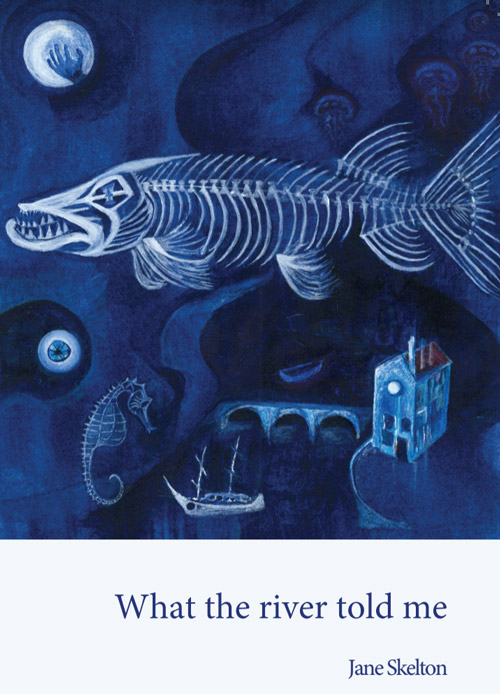
What the river told me by Jane Skelton

‘Broomstick Orchestra’ by Jane Skelton

along the lake’s edge
our burnt limbs scratch at the sky
rapping in the wind −
gentle ratapan, a screek
a soft scrunching of paper
as it passed through us
we could only receive it −
dreaming of water
arms upraised in frozen dance
amid the whirlwind of fire
our spectral voices
sing the conflagration
mimic the crackling
as the wind brings the burnt reek
the acrid recall of pain
waves unburied our song
our creaking cacophony
roots deep in midden
sand falls from shell, bone, graveyards
old feasts uncovered, old fires
fishing boats glide past
seabirds, on indifferent trails
we cry from the dunes
our terrible scribble is
crazing the ruffled water
the wash slaps our dune
our every wounding, a sound
the lake whispers back
its silky repetition
new growth creeps forward
our song is nearly over
twine us in green strength

‘Broomstick Orchestra’ by Jane Skelton Read More »

The leaving by Brian Purcell

‘The Light Will not Enter’ by Brian Purcell

the light will not enter
any crack in my body
although there are many –
numberless each day
nor can it reach
the mind’s dark confusion –
would illuminate nothing
only despair
nothing I ingest
will make any difference
the scales of the fish
are dull in the air
and my hands
become stone
cementing the cracks –
my old beliefs
are today’s uncertainties –
and everything resolved
each tiny victory
is undone tomorrow
when I walk in the cold –
but this is what I wanted
no easy solutions
picket-fence gold
the love of women
with interchangeable faces –
I wanted one love
one passion and truth
and if it burnt out
on a high summer night
this was a truth
that held its own light

‘The Light Will not Enter’ by Brian Purcell Read More »

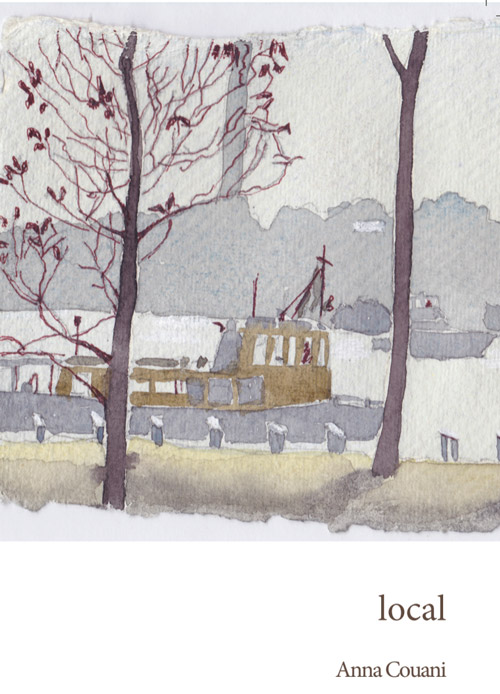
local by Anna Couani

‘Ideas for Novels 7’ by Anna Couani

Sydney gives you space to breathe
with its up and down hills
and huge liquid ambers

skinny peninsulas
deep deep harbour

anonymity
lost in the crowd

trams that live on
in Australian novels

my generations
in the inner city

a blessing
a curse

the city as it is lived

the Greek kids
four brothers
who built canoes
from corrugated iron
and tar
to sink like a stone
in Rose Bay

the glittering church windows
of John Radecki
Polish great grandpa
nestling like forgotten jewels
in corners of the city
only discovered by us atheists
fifty years later

Mum and Dad snapped in Lee Street
just as it is today
with the old stone wall
the steep slate roof
looking like Ingrid Bergman and Gregory Peck
in Spellbound
especially as they were doctors
and the shot was in black and white
the excitement of the CBD
all of us walking those streets
different feet
different decades
across 140 years

Uncle Con’s café in George Street
long and narrow
and Con, ex-army cook
frantic at the grill
way down inside
how did he stop customers
from running off without paying?

John Radecki’s stained glass factory
in Dixon Street
near today’s Food World food court
when the buildings were entirely blackened
and grandma toiling to keep it afloat
struggling with her heart condition
and her proud husband

Uncles George and Con
later on
with the fruit barrow
horse-drawn
just outside
the old Anthony Hordern’s building
spinning those paper bags
carrying change in those leather aprons

Auntie Nellie in the Oceanic Café
for 65 years
on the other side of Central Station
Mum on the till
pregnant with me
strange she was taking time off her own work
and 10 years later was working just up the hill

those Poles and those Greeks
the place more like an American city
for us
seemed like we were in the wrong movie

‘Ideas for Novels 7’ by Anna Couani Read More »

‘If On a Winter’s Night a Joey’ by Morgan Bell

a roadside body was found lifeless
there was a joey in the pouch
the ditch of cold June’s mourning
teased into, the outside world
life is full of second chances
the boy was covered in short hair
when you name a joey Mason
his crafty antics will endear
Mason nudged his hatch door open
took a scooter as his prize
precariously, he was balanced
with adventure in his eyes
he scamper round the yard
gripped to the handlebars
Mason rode-free on his scooter for a while
branching out from filming antics
from growing in a silent room
Mason aced the world’s audition but
his credits played too soon
Mason rode-free on his scooter for a while

‘If On a Winter’s Night a Joey’ by Morgan Bell Read More »