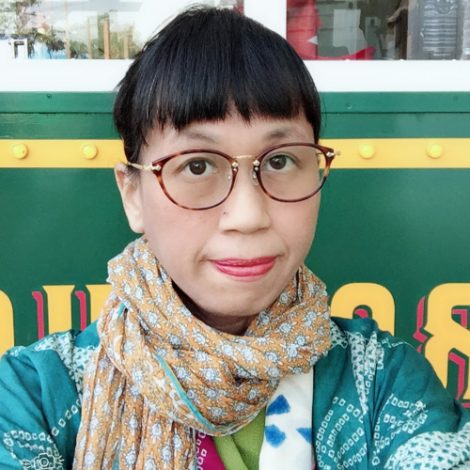
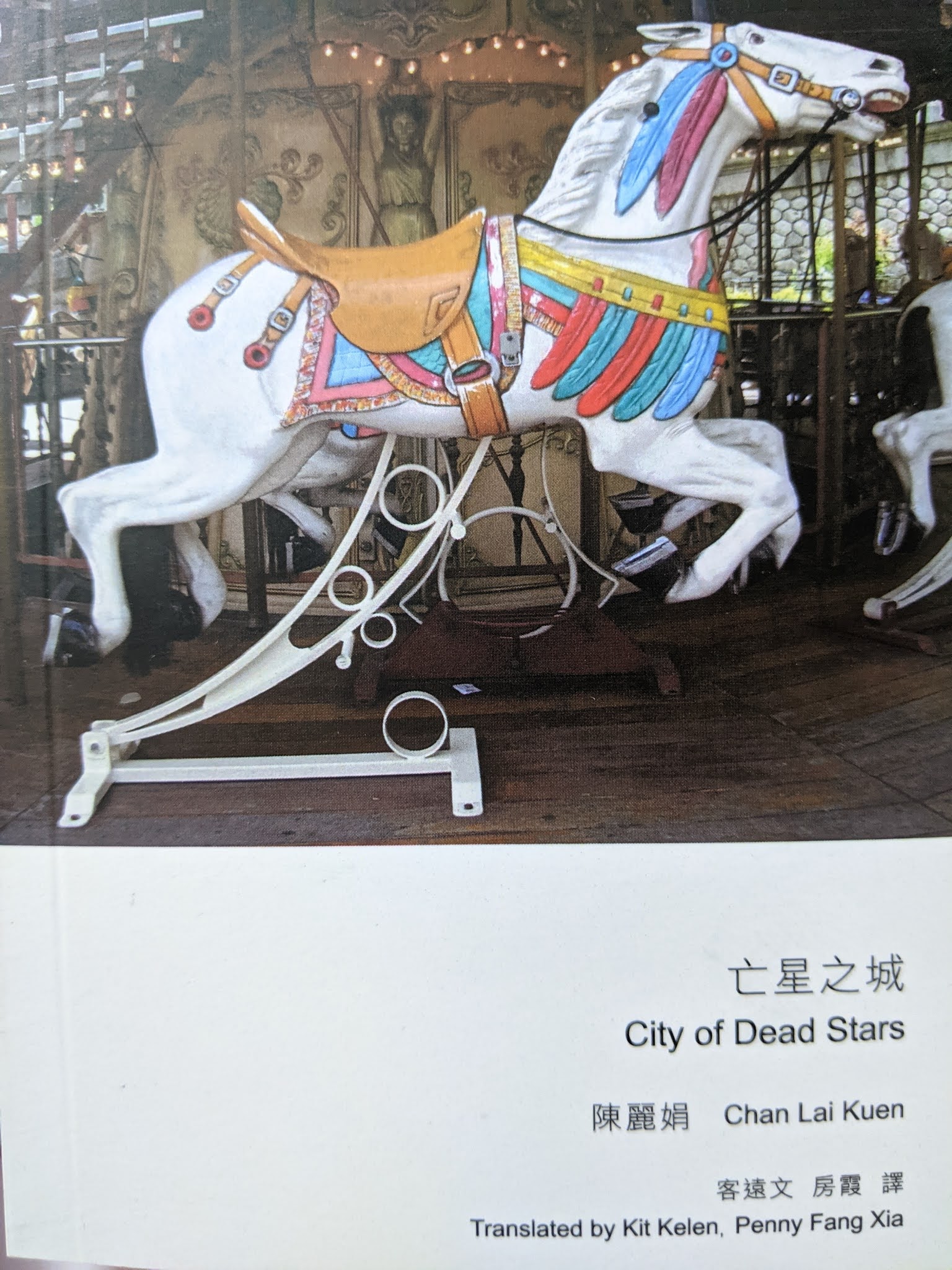
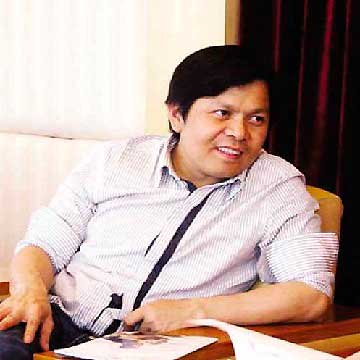
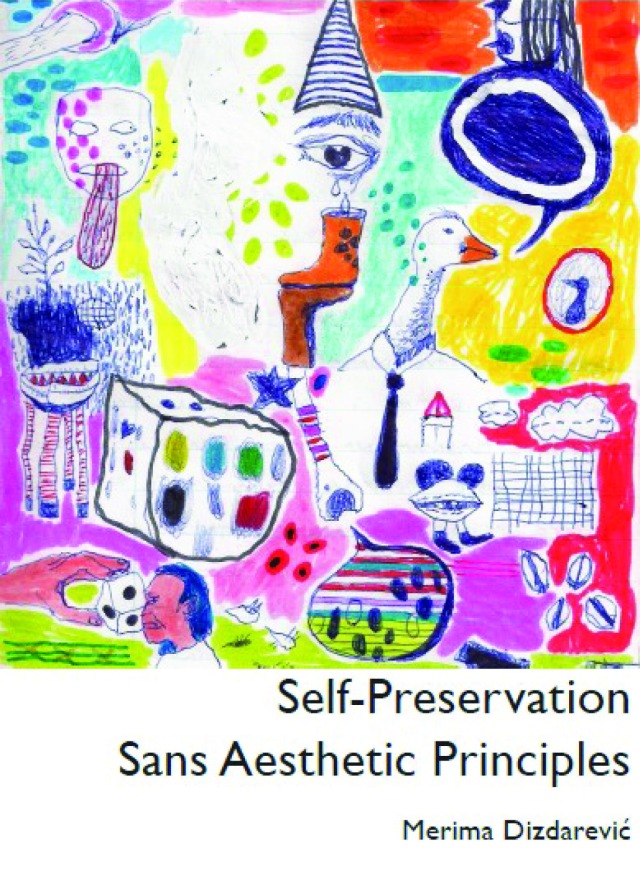
Chan Lai Kuen (a.k.a. Dead Cat) was born in Hong Kong. She graduated from the Chinese University of Hong Kong with a degree in English, and the Royal Melbourne Institute of Technology University (taken in Hong Kong) with a degree in Fine Art. Her book of poetry Were the Singing Cats (《有貓在歌唱》2010) was awarded Recommendation Prize of the 11th Hong Kong Biennial Awards for Chinese Literature. Prose collection Kyoto that Cannot be Reached (《不能抵達的京都》) was published in 2015. Bilingual poetry selection City of Dead Stars is published in 2014. Chan also creates works of visual art.
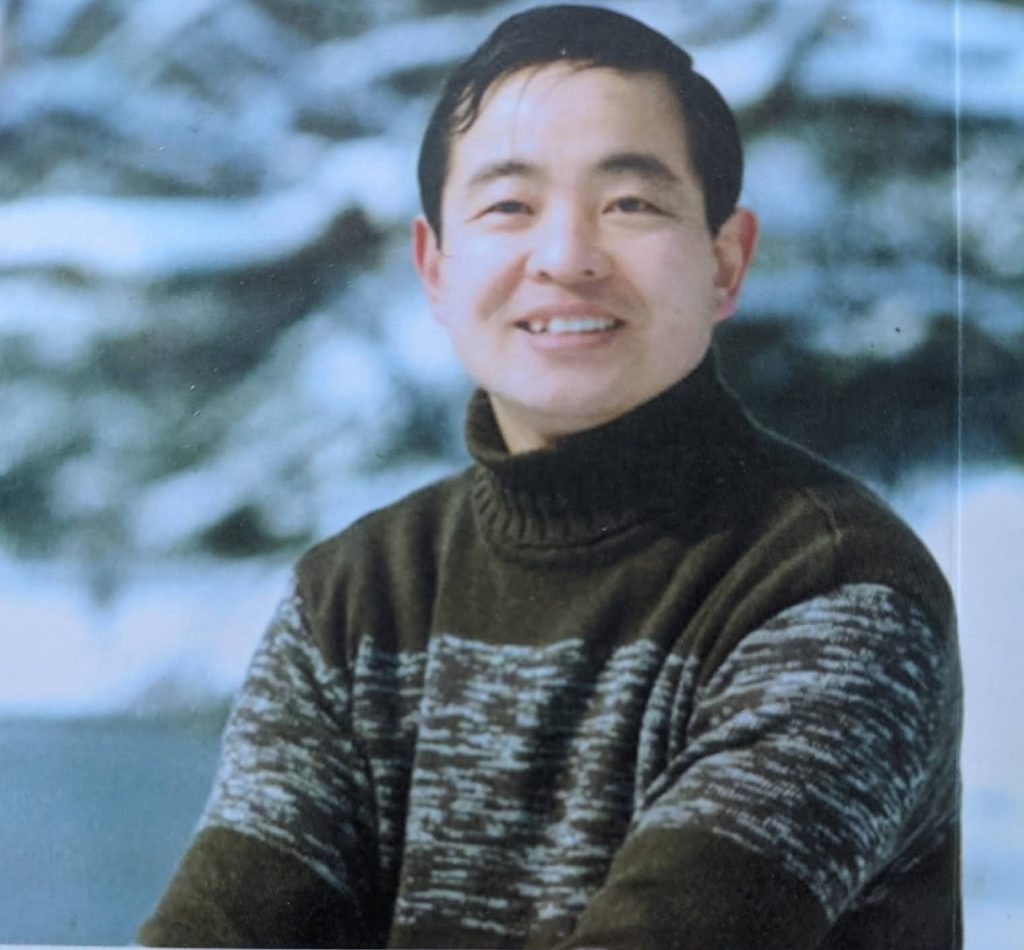
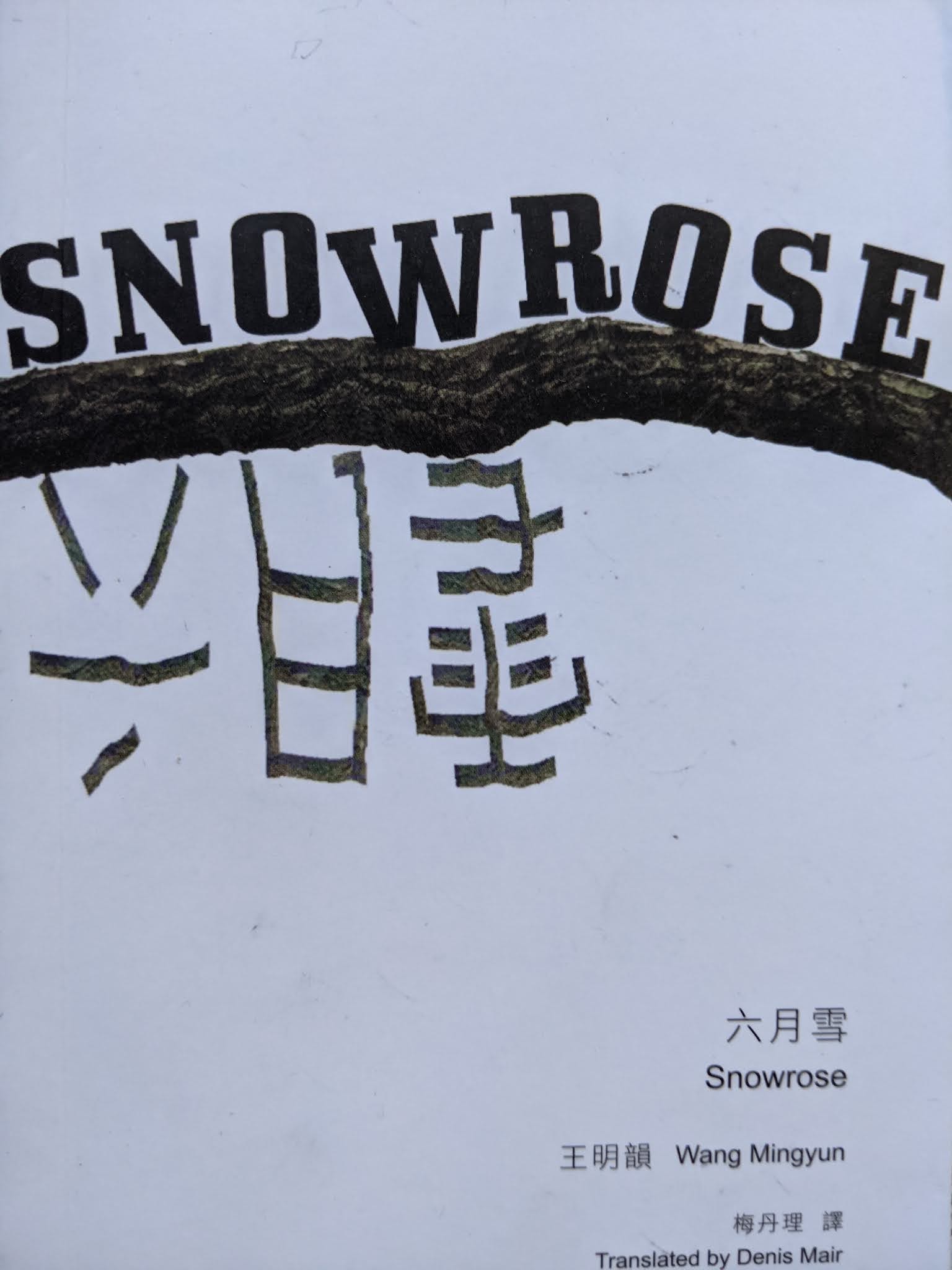
Wang Mingyun is a member of the Chinese Writers’ Association and the China Film Association, and was awarded as a National First Class Writer. He is Vice-chairman of Anhui Writers Association and Chief Editor of the Poetry Monthly Magazine. Wang has published more than 10 books of poems, including The Fourteen Lines of the Body, Original Sin, and Immortal Book.
He has issued five volumes of prose essays including Burst into Tears for Life, Walking Fish, and Admiring Pigs. His works have been translated into English, French, Russian, Korean and Japanese.
Huang Lihai was born in the 70s in Xuwen county, the southernmost tip of the Chinese mainland. His poems have been included in more than one hundred anthologies and he has published a number of poetry collections, including I Know Little about Life, Feed Rainbows to the Birds and Who Can Outrun Lightning. He has written essays and critiques on art, dance, film, and poetry. In 1999, he founded Poetry and People journal and in 2005 established the Poetry and People International Poetry Award. He has won a number of prizes, including the 8th Lu Xun Literature and Arts Award, Phoenix TV’s Annual Artist Award, the Lebanon International Literary Award and the first Hai Zi Poetry Award. He is currently the editor of China and Western Poetry Magazine.
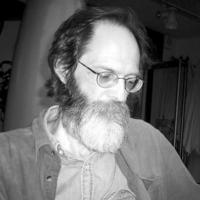
I am a poet and visual artist who spent many years moonlighting as a philosophy professor. I think of my work as an intersection of chance with design — a collaboration with the media, painting with light while celebrating the way(s) pigment takes to surface, not showing or telling so much as opening a space for a play of possibility.
am interested in the way light breaks on edge, the way pigment takes to surface, the way words tumble out onto the page, the way the eye of the ear sees them.
I find common ground with John Cage when he says “I have nothing to say and I am saying it and that is poetry” and (in the same piece, his “Lecture on Nothing”) when he says “Kansas is like nothing on earth.” Kansas, southeastern Colorado, the northeastern corner of New Mexico, the panhandle of Oklahoma, and (especially) the panhandle of Texas – that is where I grew up, and it shaped my eyes like nothing on earth.
I find common ground with Helen Frankenthaler when she embraces chance and lets paint flow on raw canvas to create forms that surprise and invite us to see worlds we would never have seen alone. This leads me to embrace lyric poetry as a form of abstraction (in the way that computer scientists use the term), a simplification (and an interface) that allows us to manipulate complexities below the surface without getting bogged down in them. And it leads me to agree with Georgia O’Keeffe when she says all painting is abstract.
I often find myself spending as much time on what is not there as on what is. This usually means focusing on a single image and letting the whole composition spring up around it — not a narrative but an all at once that evokes a here and now that is, here, now, neither. A likely story is likely to grow out of this when readers and viewers encounter it, but I hope my art always invites more than it contains.
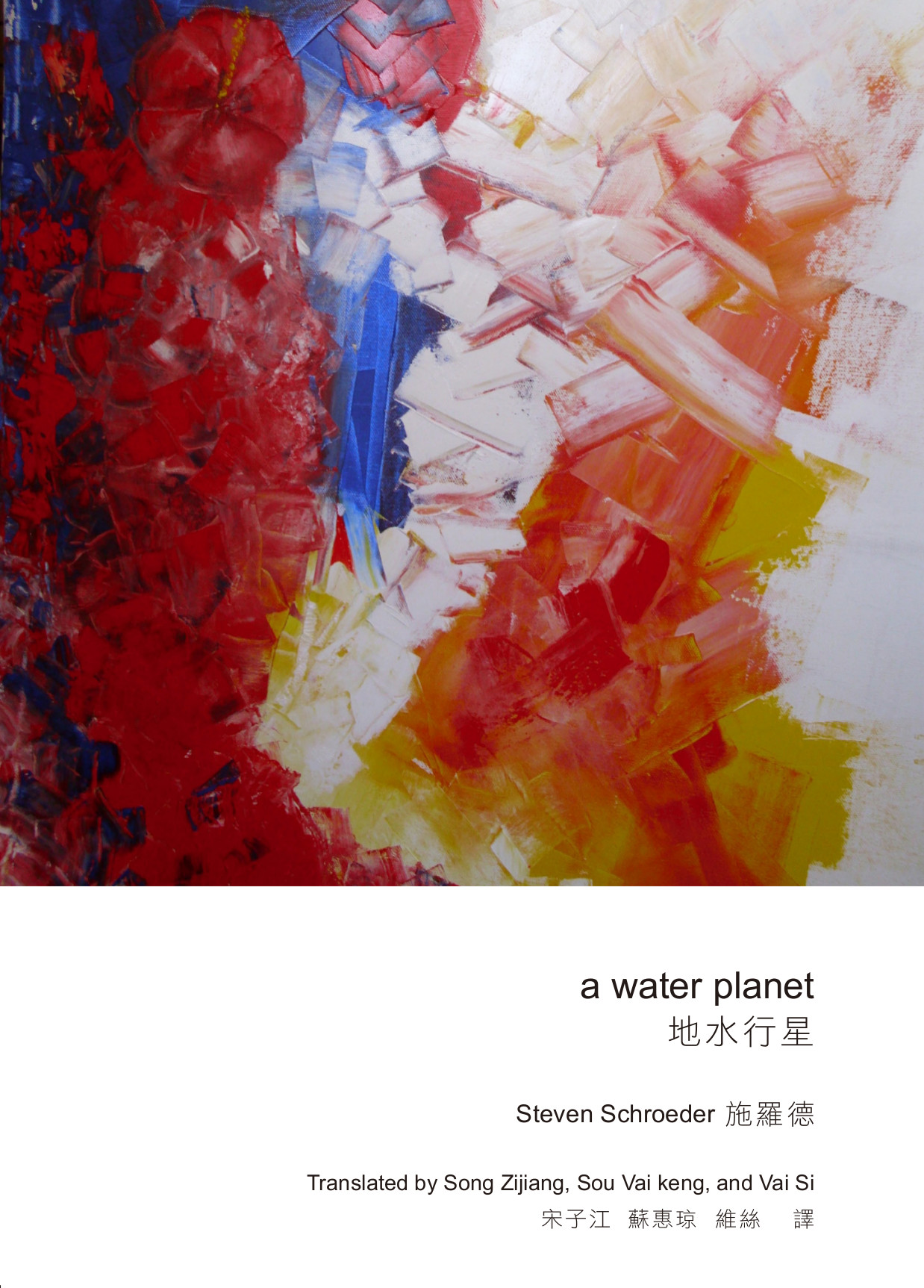
The themes Schroeder takes up in a water planet are important ones—life in a Chinese city, the struggle to find meaning, our ability to take responsibility for history—and occasionally, the poems provide a sharp insight or turn of phrase. Still, many of the themes are handled in a way that seems superficial, and the reader is left feeling that these poems could have been pushed further into something more fresh.
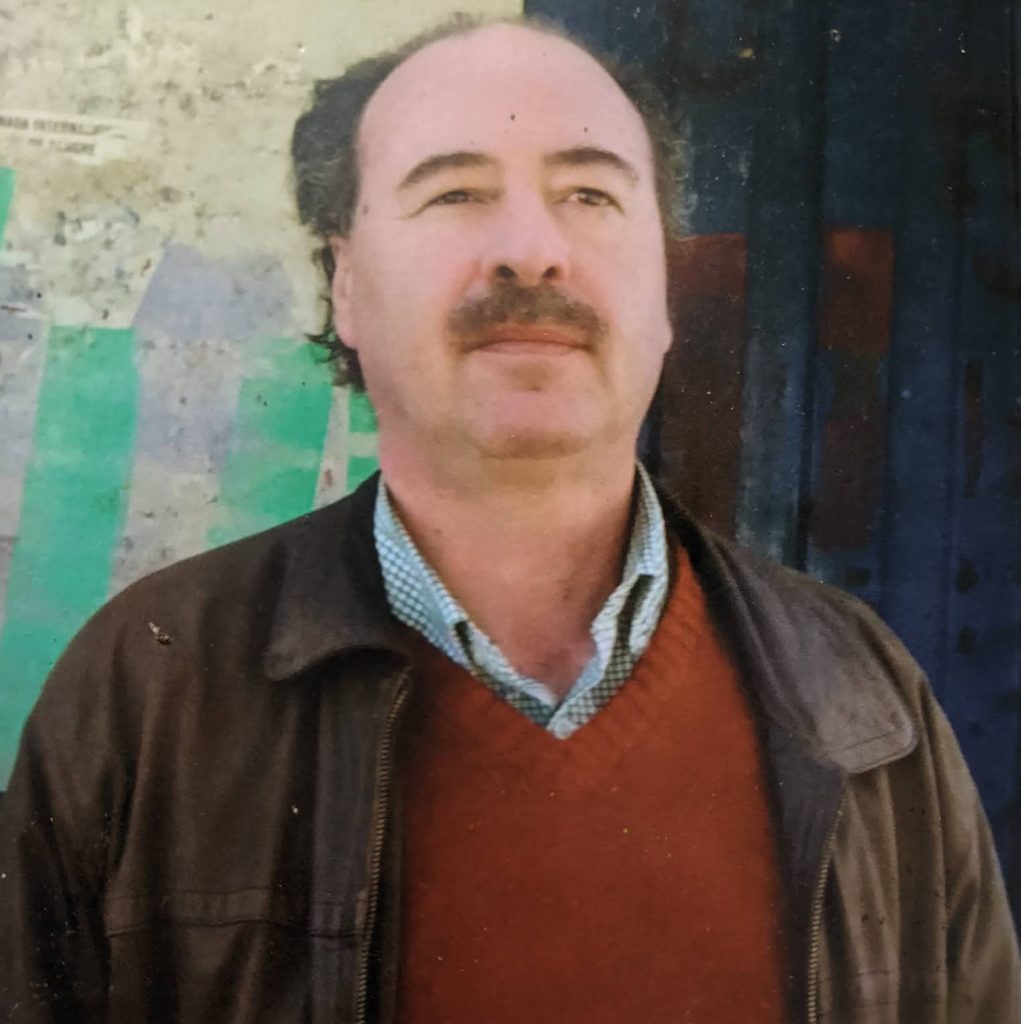
Andrés Ajens is a Chilean poet, essayist, translator and literary activist born in 1961. Among his books of poems and hybrid essays are Conmemoración de inciertas fechas y otro poema (1992), La última carta de Rimbaud (1995), Más íntimas mistura (1998), and O Entrevero (2008). His latest book is Æ (Santiago: Das Kapital Ediciones, 2015). He co-directs and edits for Intemperie Ediciones and is a co-director with the late Emma Villazón of the international South American journal Mar con Soroche. His work in poetry and essay touches on indigenous writing and languages, the history of literature in the West, poststructuralist philosophy, and linguistics, and uses formal elements both traditional and postmodern. In English translation, he has published quase flanders, quase extramadura, translated from Spanish by Erín Moure of poems from Más íntimas mistura. (Cambridge, UK: CCCP, 2001; Victoria, BC Canada: La Mano Izquierda, 2008). His essays appear in English as Poetry After the Invention of America: Don’t Light the Flower, Michelle Gil-Montero, translator (NY: Palgrave Macmillan, 2011). His work has also been translated into French and has appeared in both France and Quebec, and in Spanish has been published in Argentina, Brazil, Bolivia and other South American countries.
Béatrice (Anne-Marie, Marie-Jeanne) Machet is a French born poet, living between France and the USA, whose dance lessons as a child influenced and still influence her writing. As a teen she learned a lot from the Native American point of view about Native American history and Native cultures, until she felt impregnated with them. After having been involved in the French science-fiction milieu, flirting with cartoons and magazines such as Actuel, Charlie Hebdo, Fluide Glacial, she met Jean-Hughes Malineau, a Gallimard editor, who encouraged her to begin a career as a poet. From this initial meeting, each published poetry book of hers will testify to an evolution in her writing practice. Since 2016, she is an active member of the sound poetry group Ecrits Studio (ecritsstudio.fr). At her credit some 15 books and 30 chapbooks of poetry (three of them in English) plus 7 Native American poets’ collections she translated into French, and four anthologies gathering 40 Native American contemporary poets whose works she translated into French.
She is used to collaborating with artists from all kinds of disciplines such as painters, sculptors, musicians, composers, video-makers, dancers and choreographers, and with whom she performs her poetry. She is on editorial boards of French poetry magazines such as Recours au poème, Sur le dos de la tortue, Les cahiers d’Eucharis.
She is regularly granted writer residencies, and is regularly invited to international poetry festivals in France and abroad. She leads creative writing workshops, is called for teaching and performing in schools and colleges. She gives lectures and conferences about contemporary Native American literature. She also launched and created Radio cultural programs, poetry oriented, from 1984 to 1986 and from 2018 to now. She produces and is responsible for a monthly radio program (Radio Agora, Grasse) dedicated to contemporary poetry.
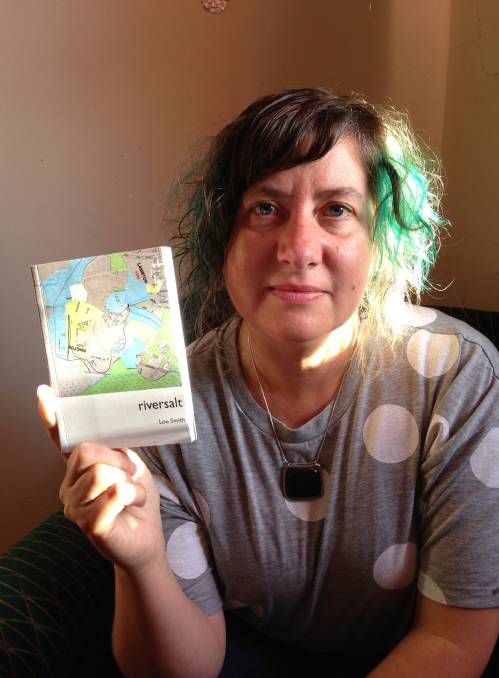
Lou Smith is a Melbourne-based poet of Welsh, Jamaican and English heritage who grew up in Newcastle, NSW. Her poetry has been published in journals and anthologies both in Australia and overseas including Wasafiri, Mascara Literary Review, A Slow Combusting Hymn, Overland, The Caribbean Writer, Nine Muses Poetry, sx Salon, Soft Surface, and Caribbean Quarterly. Her book riversalt was published by Flying Islands in 2015.
Lou has worked as an editor and proofreader and was the co-founder of independent publisher Breakdown Press, publishers of political poster series and books such as How to Make Trouble and Influence People: Pranks, Hoaxes, Graffiti and Political Mischief-Making from Across Australia and YOU: some letters from the first five years.
She is currently working on a number of writing projects including two new books of poetry, one of which is set in her hometown of Newcastle during the Great Depression.
Lou has a PhD in creative writing from the University of Melbourne where she sometimes teaches.
Weaving stories of migration, colonisation, and diaspora, riversalt follows my own family’s patterns of migrations from North Wales, England, and Jamaica, to Newcastle, Australia, where I grew up. Inspired by all manner of things including literature, science, personal stories, folklore, and artworks, in the poems we journey through these locations on foot, by car, boat and by plane. The poems in riversalt are both personal and historical, contemplating notions of memory, ‘home’, and belonging, in a meditation on the meaning of ‘place’.
Thanks so much to Tim Ungaro for creating the awesome cover collage from maps of my hometown of Newcastle, NSW, and Rahima Hayes for taking the author photograph so early in the morning!
A huge thank you to Tony Birch for launching riversalt in Melbourne at Brunswick Bound bookshop, and Anwen Crawford for launching the book at The Press Book House in Newcastle.
Nathan Curnow is an award-winning poet, spoken word performer and past editor of literary journal, Going Down Swinging. His books include The Ghost Poetry Project, RADAR, The Right Wrong Notes and The Apocalypse Awards. He has recently taught creative writing at Federation University, and toured Europe in 2018 with loop artist, Geoffrey Williams, performing in Poland and opening the Heidelberg Literature Festival in Germany. He lives in Ballarat and is the current judge of the annual Woorilla Poetry Prize.
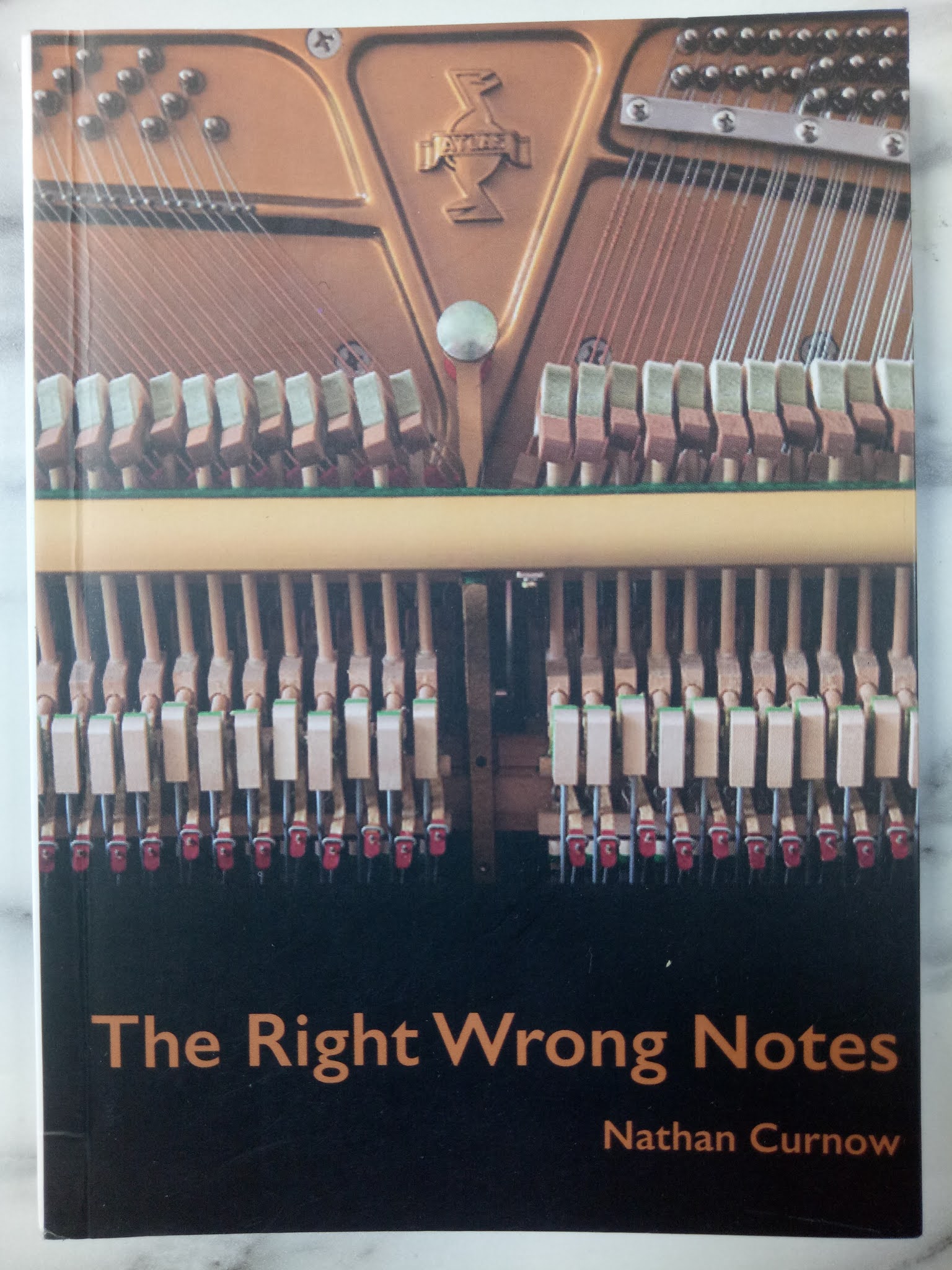
The Right Wrong Notes is a selection of poems from my previous collections: No Other Life But This, The Ghost Poetry Project, and RADAR. Also including some more recent pieces, the collection represents fifteen years of writing about family, fear and love, with Dan Disney describing the poems as ‘suffused with sensuality and sense-making but also, most importantly, generosity’.
It was launched in Ballarat by Robyn Annear, and in Melbourne by Alicia Sometimes. Cover Shot by Michelle Dunn Photography
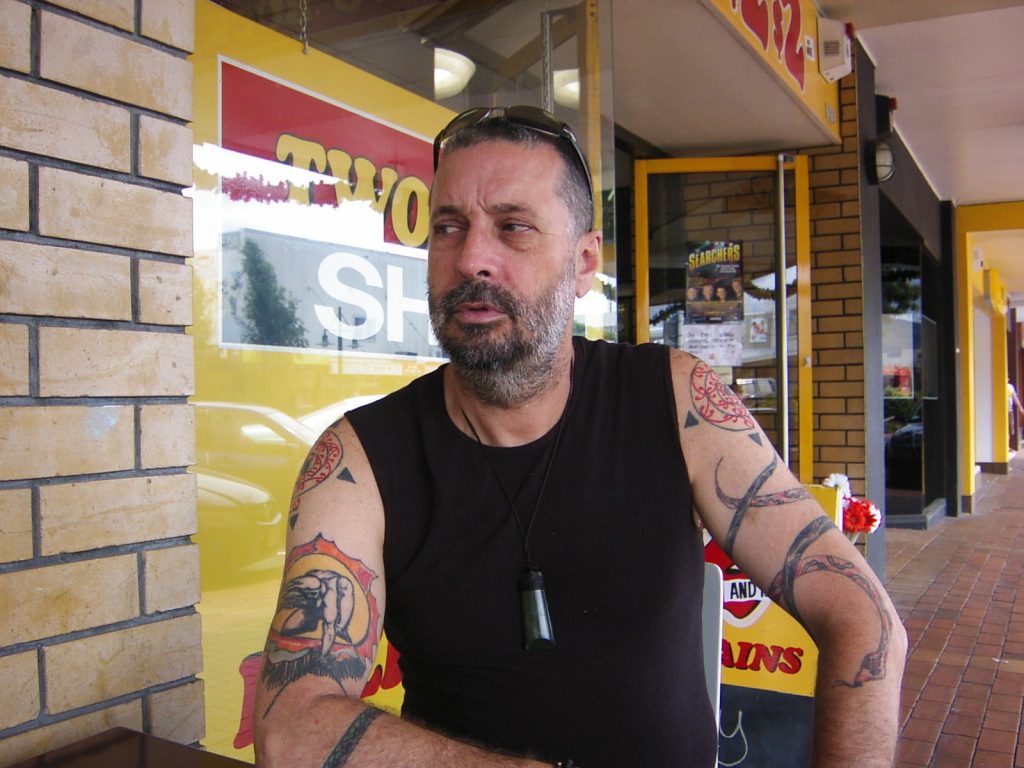
Vaughan Rapatahana is a New Zealand writer and reviewer. Though perhaps best known for his poetry, his bibliography also includes prose fiction, educational material, academic articles, philosophy, and language critiques. Rapatahana is of Māori ancestry, and many of his works deal with the subjects of colonial repression and cultural encounter. His writing has been published in New Zealand and internationally. In 2009, he was a semi-finalist for the Proverse Prize and in 2013 he was a finalist for the erbacce prize for poetry. In 2016 Rapatahana won the Proverse Poetry Prize.
Vaughan Rapatahana (1953 – ) is a prolific New Zealand poet who also writes prose fiction, educational material, academic articles, philosophy and language critiques. Born in Pātea, Rapatahana is of Māori heritage, and has been published in both English and te reo Māori. He gained an MA (Hons) from the University of Auckland before studying Education. Rapatahana returned to the University of Auckland from 1991–1994 to write his PhD, titled Existential Literary Criticism and the Novels of Colin Wilson.
Rapatahana experienced a varied career before becoming a writer, working as a secondary schoolteacher, housepainter, storeman, freezing worker, and special education advisor. Rapatahana was poetry editor of the Māori and Indigenous Review Journal until 2011. He has lived abroad for a significant portion of his life, teaching in Nauru, Brunei Darussalam, PR China, and Hong Kong for extended periods. He currently resides in Mangakino. He writes regular book reviews for Landfall and Scoop.
Rapatahana has been described as a global poet. His first poetry collections were Down Among the Dead Men (1987) and Street Runes (1988), both published by Entropy Press, Auckland.
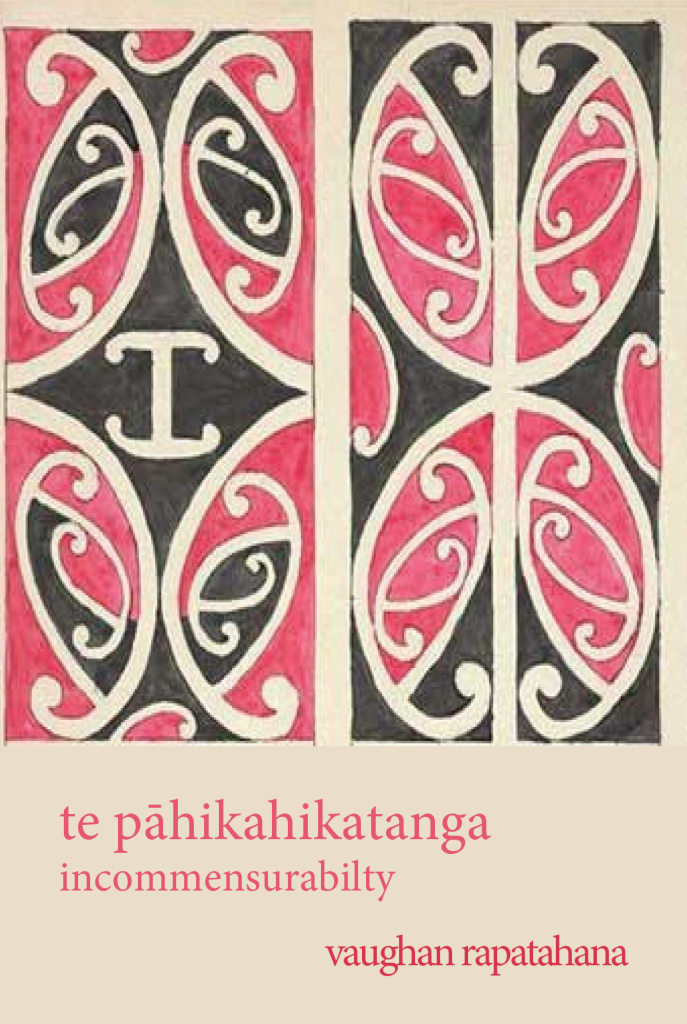
te pāhikahikatanga/ incommensurabilty is a collection of Rapatahana’s poetry across several years, written in te reo Māori (with English language translations). He believes this is a unique work of contemporary Māori language poetry, as well as emphasising throughout that the two languages are essentially incompatible and never fully translatable one into the other.
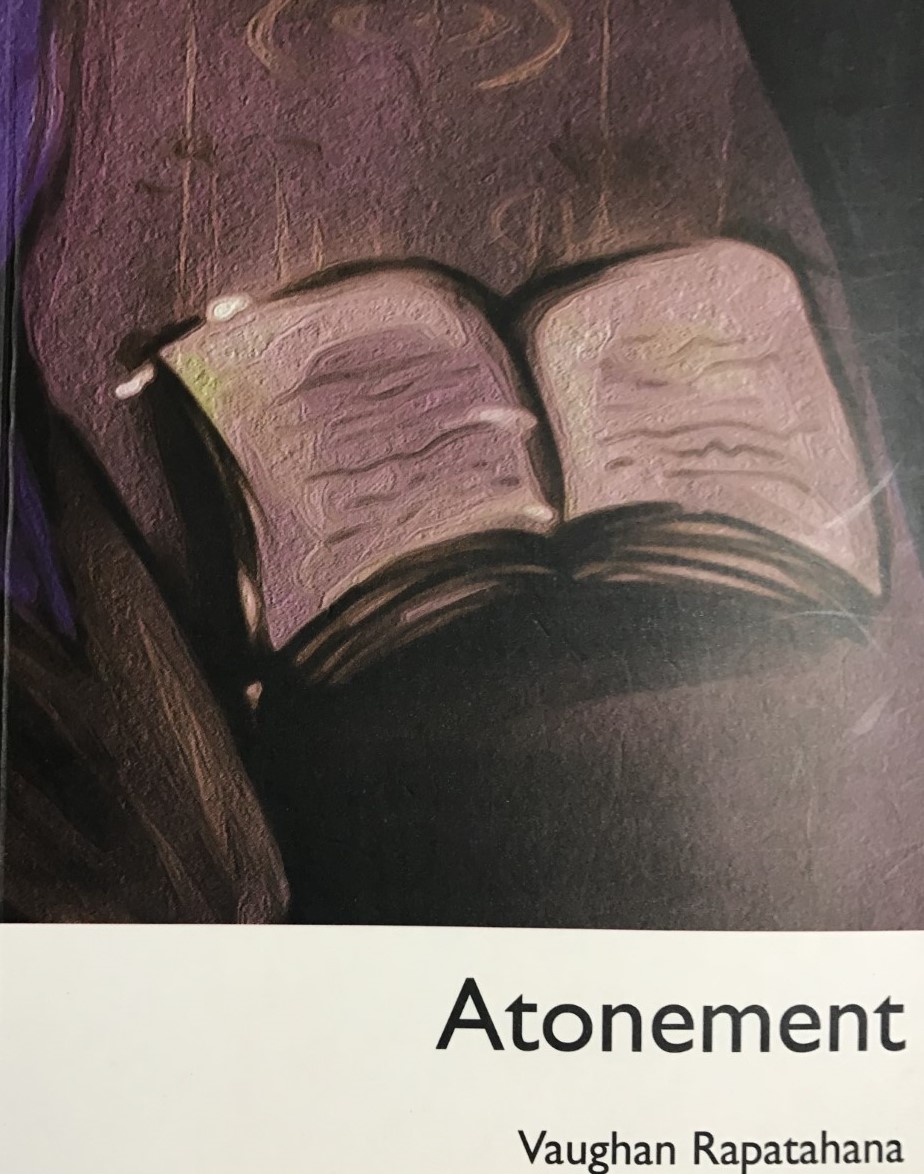
Atonement
artworks by Pauline Canlas Wu ; musical score by Darren Canlas Wu
Review by Maris O’Rourke New Zealand Poetry Society
The fourth poetry collection from the multi-talented, prolific and loquacious Vaughan Rapatahana doesn’t disappoint. Small in size, it is big and dense within – with over 50 poems that take us on some wide-ranging, internal and external journeys. They are short, pithy poems, usually one or two pages, with staccato rhythms, often one-word lines, and varied, often unusual, use of fonts, space, shapes, photos and songs to produce meaning in more than one way, as with the poems ‘he patai’ (p.83), a question in the shape of a question mark, and ‘Ruby’s Place’, a musical score (p.123). Rapatahana has a strong command of language and an extensive vocabulary — I certainly had to look up a number of words.
Multicultural Rapatahana takes us with him on his travels around the world – Hong Kong, Philippines, Mauritius, Macao, London, Japan, New Zealand, USA, Israel and others — offering astute observations of our effect on our environment and each other, and the effect of the country and its history, people and behaviour upon him. All this in four different languages — Māori, English, Chinese and Tagalog, often on the same page, and with the occasional French, Latin or Greek word or phrase thrown in for good measure.
The haves and have-nots thread through Rapatahana’s poems as a consistent theme, as in the poems ‘tel aviv tramp’ (p.115), or ‘auckland tri.ptych III’